Golf improvement roadmap
How to Actually Get Better at Golf Without Wasting Time
Most golfers do not need more tips. They need a better order of operations. If you are serious about getting better, the goal is not to chase every social media fix. The goal is to build a repeatable practice loop that improves contact, keeps the ball in play, and carries onto the course.


What getting better actually means
For most newer golfers, improvement means three things first: more solid contact, fewer penalty shots, and fewer wasted shots around the green. You do not need a perfect swing to do that. You need a swing that is functional often enough, a short game that saves doubles, and a practice structure that makes the next session easier instead of starting from zero.
The order that usually works
- Take a lesson or two early. Not because lessons are magic, but because bad reps are expensive. A coach can stop you from building a motion you have to unlearn later.
- Practice the lesson with one clear focus. One setup change, one backswing feel, one strike pattern. Not six.
- Build a simple stock pattern with your wedges and short irons first. Better contact with shorter clubs transfers more cleanly than trying to learn the game by hitting driver all day.
- Keep the driver in play. It does not have to be great yet. It just cannot be a penalty machine.
- Practice short game every week. Chipping, pitching, bunker basics, and lag putting change scores faster than most golfers want to admit.
- Play enough to learn the game, not just the swing. Range work teaches movement. The course teaches decision-making, pressure, and consequence.
A weekly plan that is realistic
If you are busy, this is enough to move forward:
- One lesson every two to four weeks while you are still building basics
- One range session with one technical priority
- One short-game session with chipping and putting
- One round or nine-hole session where you keep score and pay attention to misses
That is already more useful than random buckets and random advice. The key is that each session should connect to the next one.
What wastes time
- Trying a new tip every two days
- Judging practice by the best shot instead of the pattern
- Hitting driver for half the bucket when contact is not stable with shorter clubs
- Buying swing gadgets before you know what problem you are solving
- Ignoring short game because full swing feels more interesting
How to know if you are improving
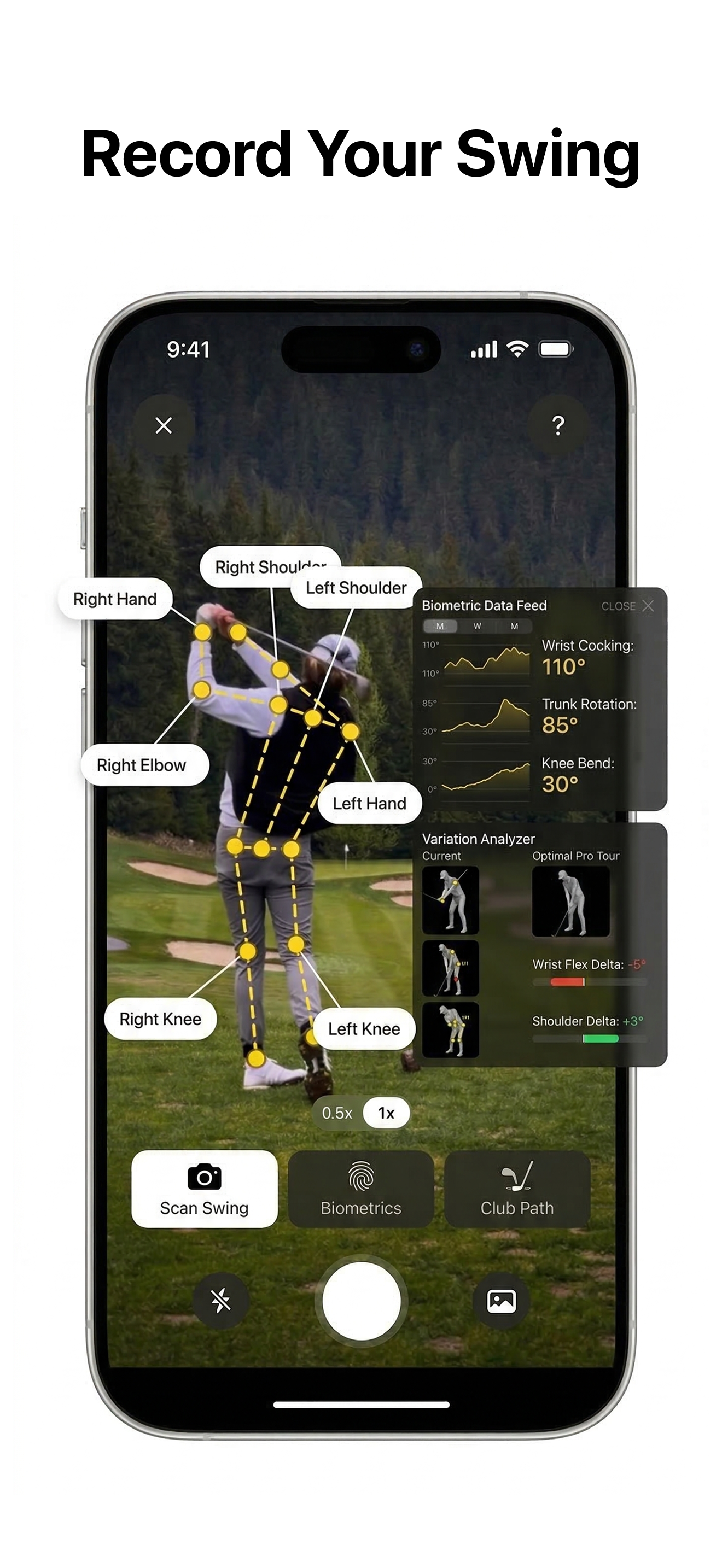
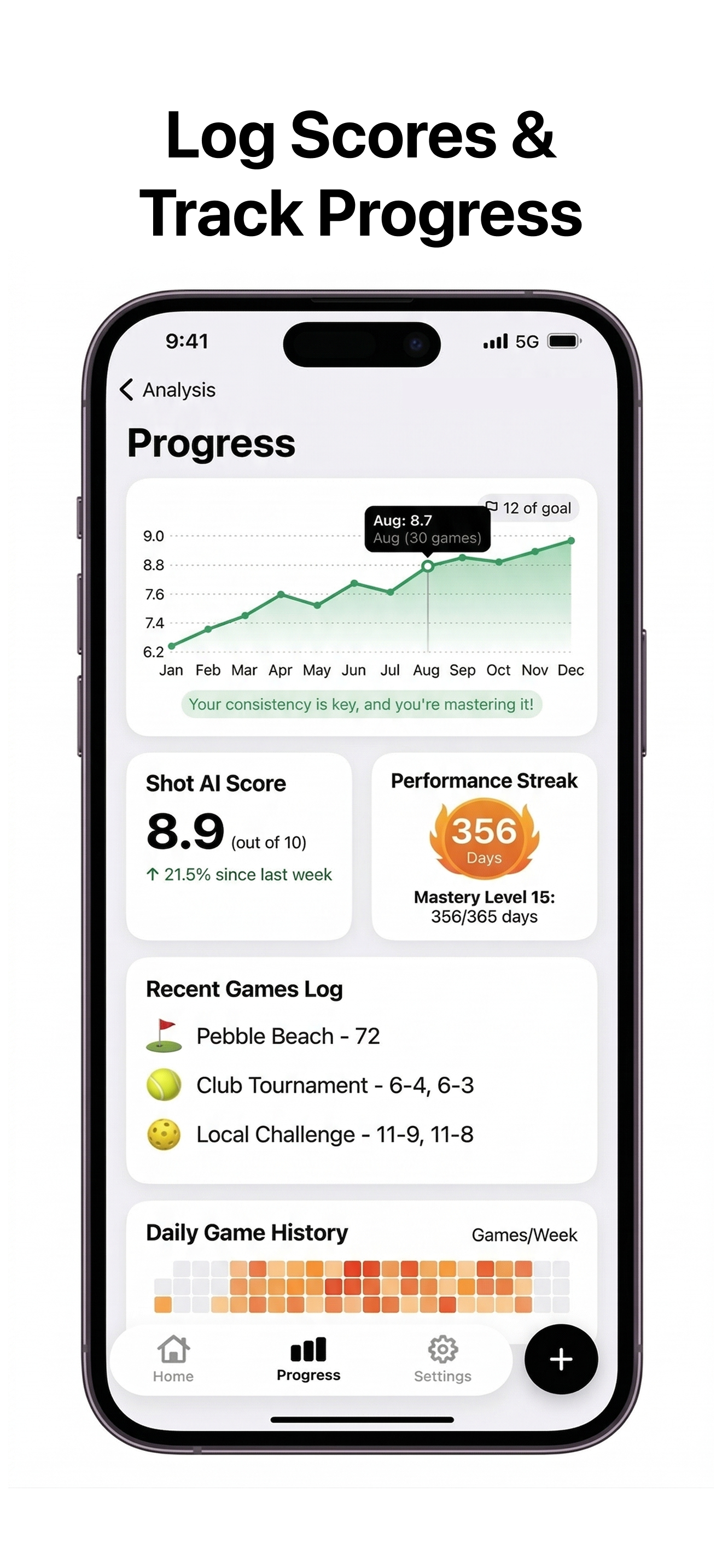
Improvement is easier to trust when you measure it. Record a few swings each week. Track start line, strike quality, and your common miss. Keep simple notes after rounds: penalties, chunked irons, three-putts, poor chips. The trend matters more than one good day.
Where Shot AI fits
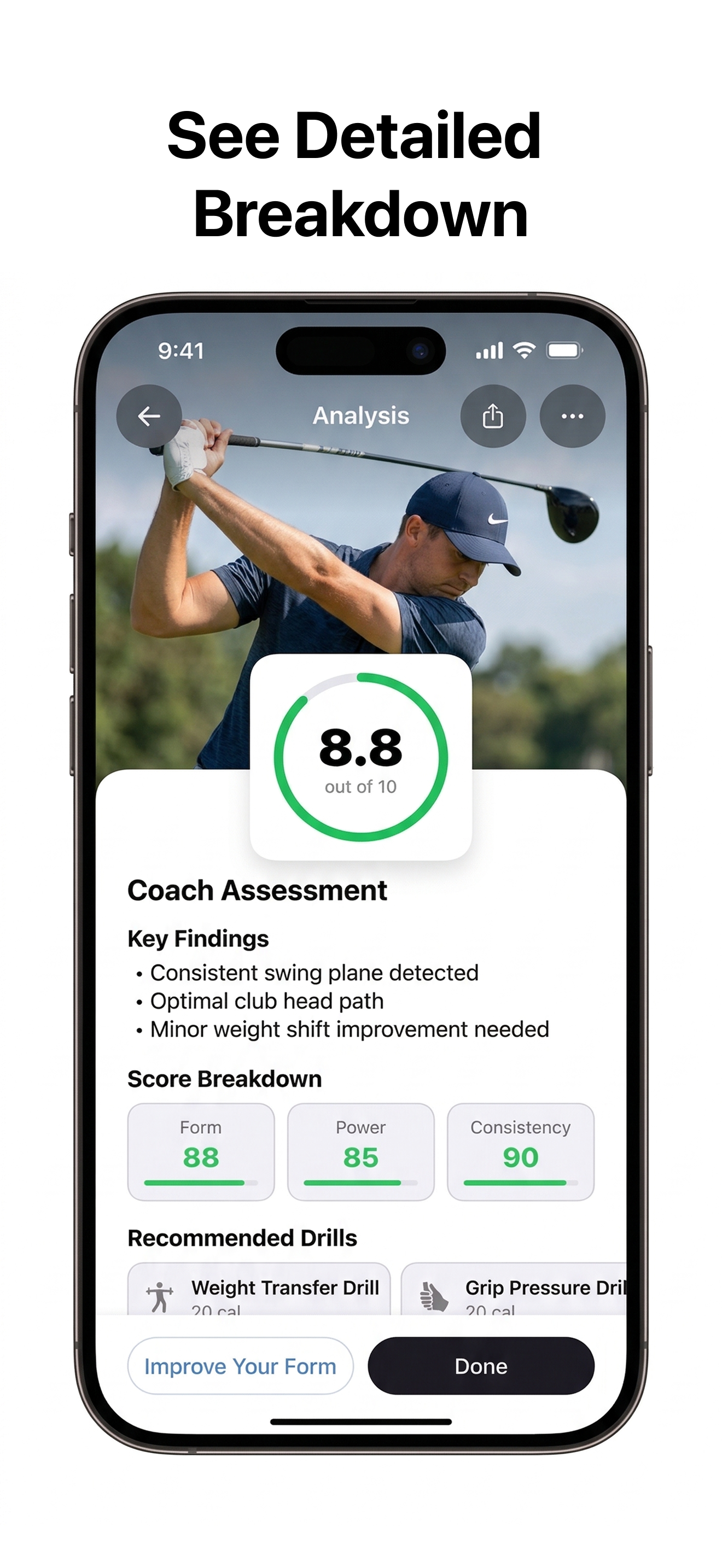
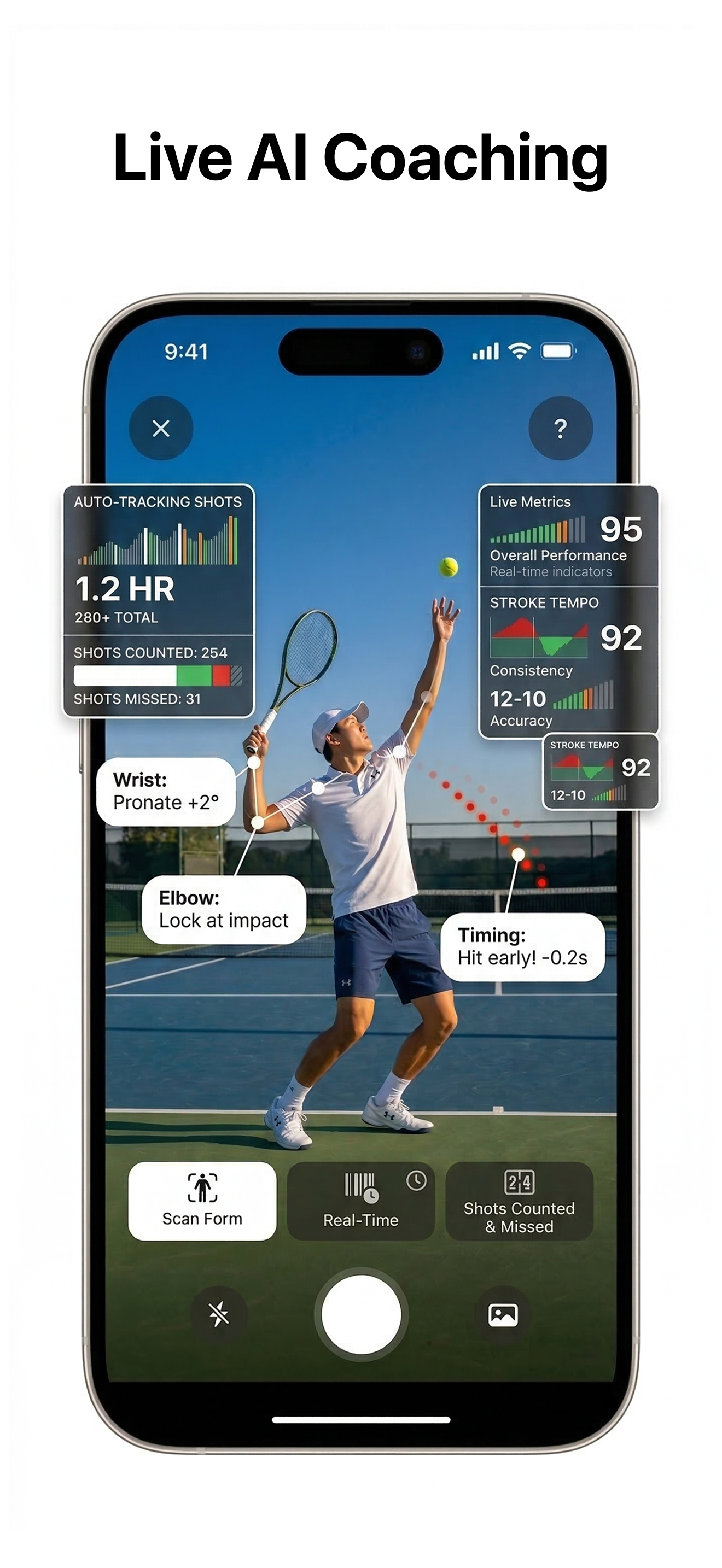
Shot AI helps because it closes the gap between lesson, practice, and round. Instead of relying on memory, you can record the swing, compare it to a better rep, and keep the feedback loop going between sessions. That is especially useful when feel starts lying to you, which happens to every golfer.
Related guides: Beginner Golf Practice Plan That Actually Works, How Often Should You Take Golf Lessons, and Why Your Practice Swing Feels Different From Your Real Golf Swing.
Practice loop
Make progress easier to see
Record a small sample, review what changed, and carry one useful focus into the next range session instead of chasing fresh advice every week.
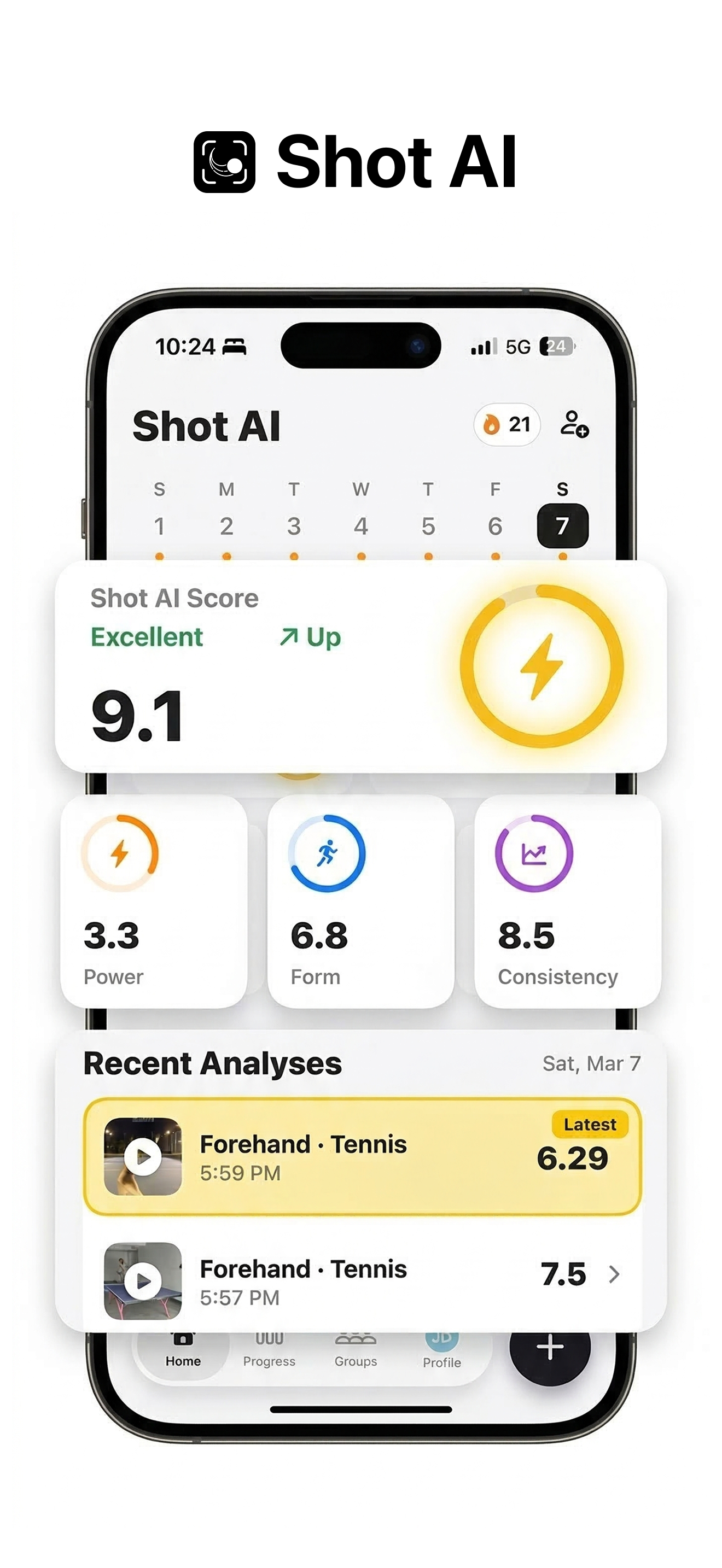
Use Shot AI to turn lessons, range work, and course notes into one feedback loop you can actually build on.