Published April 14, 2026
Why Your Practice Swing Feels Different From Your Real Golf Swing
A lot of golfers know this problem exactly: the practice swing feels loose, athletic, and familiar, but the moment there is a ball in front of you, the swing gets flatter, tighter, or more careful. That usually does not mean your body forgot how to swing. It means the task changed and your brain responded by trying to protect the strike.

Why the ball changes the swing
When a ball appears, your brain adds consequences. You stop making a movement and start trying to control an outcome. For many golfers that creates extra tension, a more careful transition, less freedom through impact, and a very different club delivery than the one from the practice swing.
The most common reasons it happens
- You are trying to steer the strike instead of making the motion
- The ball position or spacing changes your posture without you noticing
- Your tempo gets slower and more cautious over the ball
- Your practice swing is not actually rehearsing the same task
- You have built a habit of protecting against a miss
Make the practice swing more honest
A lot of practice swings are too free because they are not built around the real setup. Rehearse from the same posture, same distance from the ball, and same target picture. If the rehearsal is not connected to the real task, it will not transfer.
Use one cue, not five
If you stand over the ball with four mechanical thoughts, the brain usually defaults into a guarded motion. Choose one cue only. Good examples are tempo, finish balance, or brushing the grass through the strike. One simple external task usually transfers better than a stack of technical reminders.
Bridge the gap with half-speed reps
One of the best ways to reconnect the two swings is to hit shots at 50 to 70 percent speed while trying to preserve the same rhythm and shape as the practice swing. That makes the swing over the ball feel less like a separate event and more like a continuation of the rehearsal.
Check your setup first
Some golfers think they have a mental block when the real problem is that they stand closer or farther from the ball than they do during the practice swing. That small change can flatten the motion, alter the path, and make the strike feel completely different.
What actually helps on the range
- Practice swing from the exact address posture
- Step in and hit within a second or two
- Use one cue only
- Film both swings back to back
- Compare tempo, posture, and finish rather than only ball flight
Where Shot AI fits
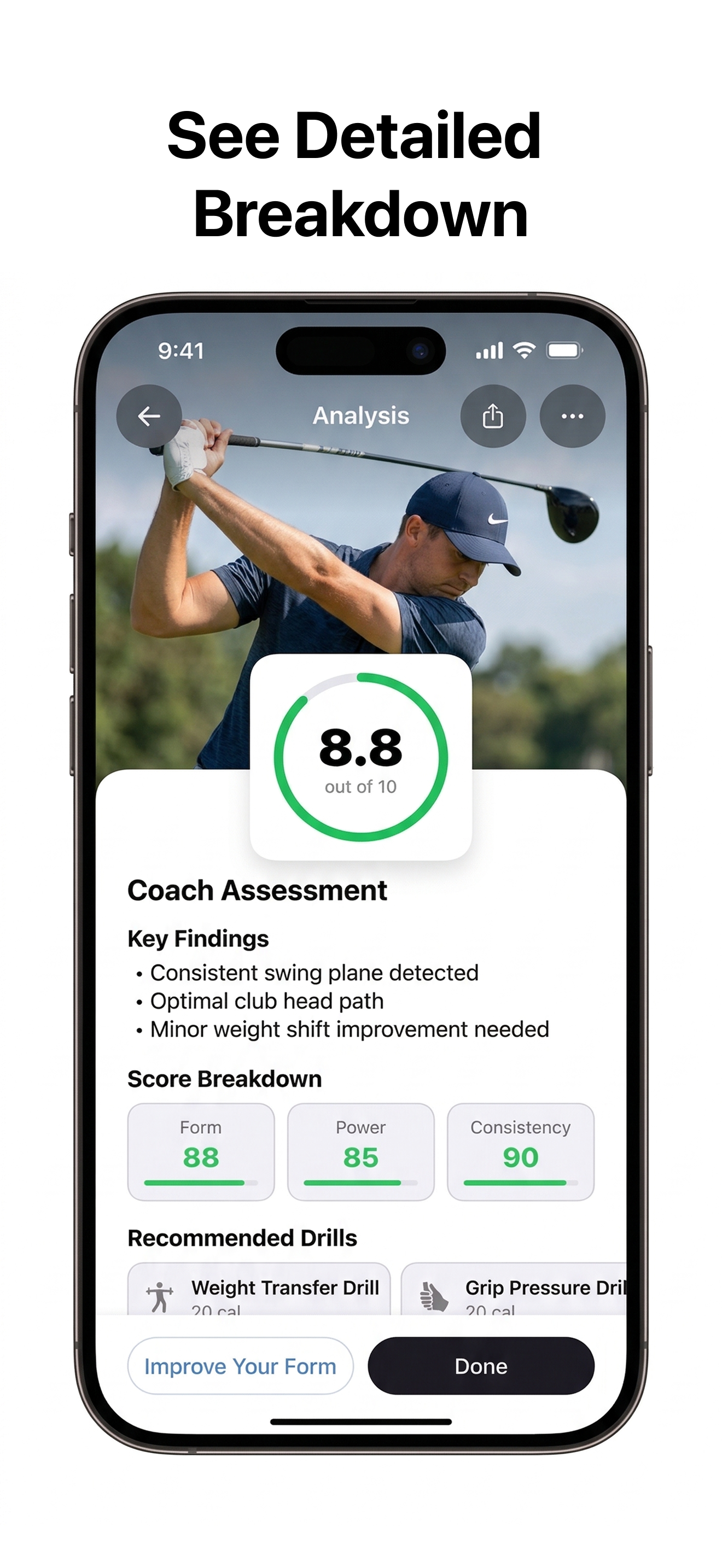
If this problem keeps happening, video is the fastest reality check. Shot AI helps because you can compare the rehearsal and the real swing, inspect what changes over the ball, and stop guessing whether the difference is tempo, posture, path, or simple tension.
Practice versus real
See what actually changes when the ball is there
Film the rehearsal and the real swing, compare the movement, and look for differences in tempo, shape, and setup instead of relying on memory.
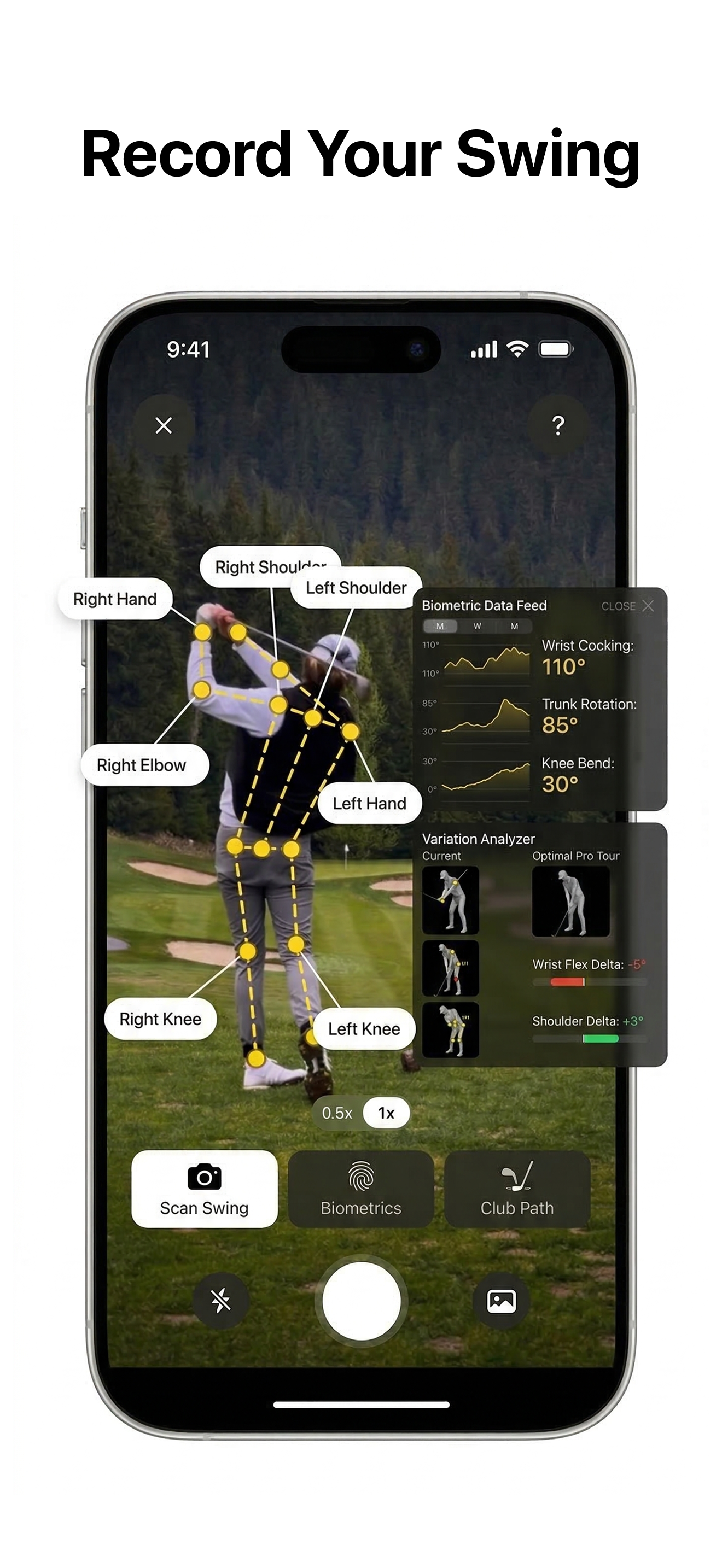
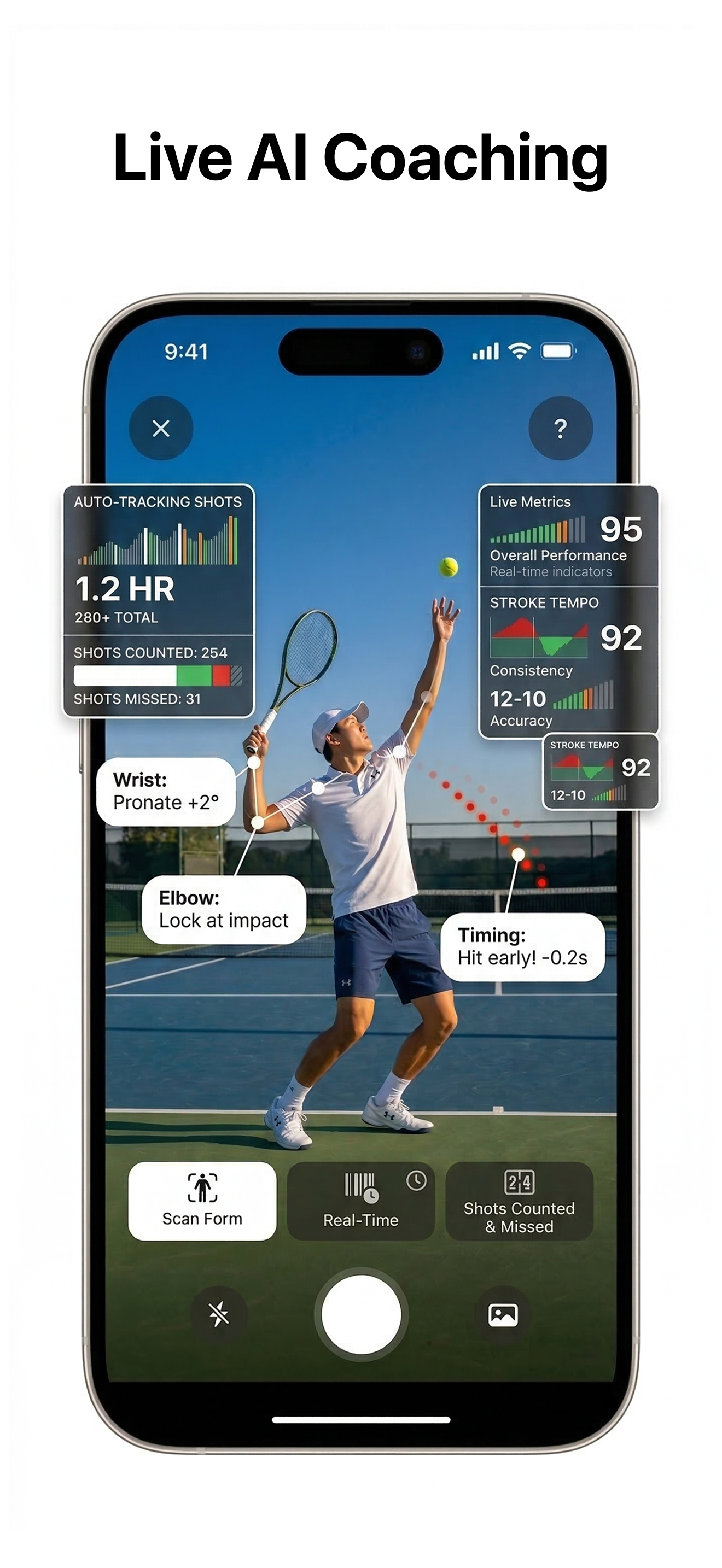
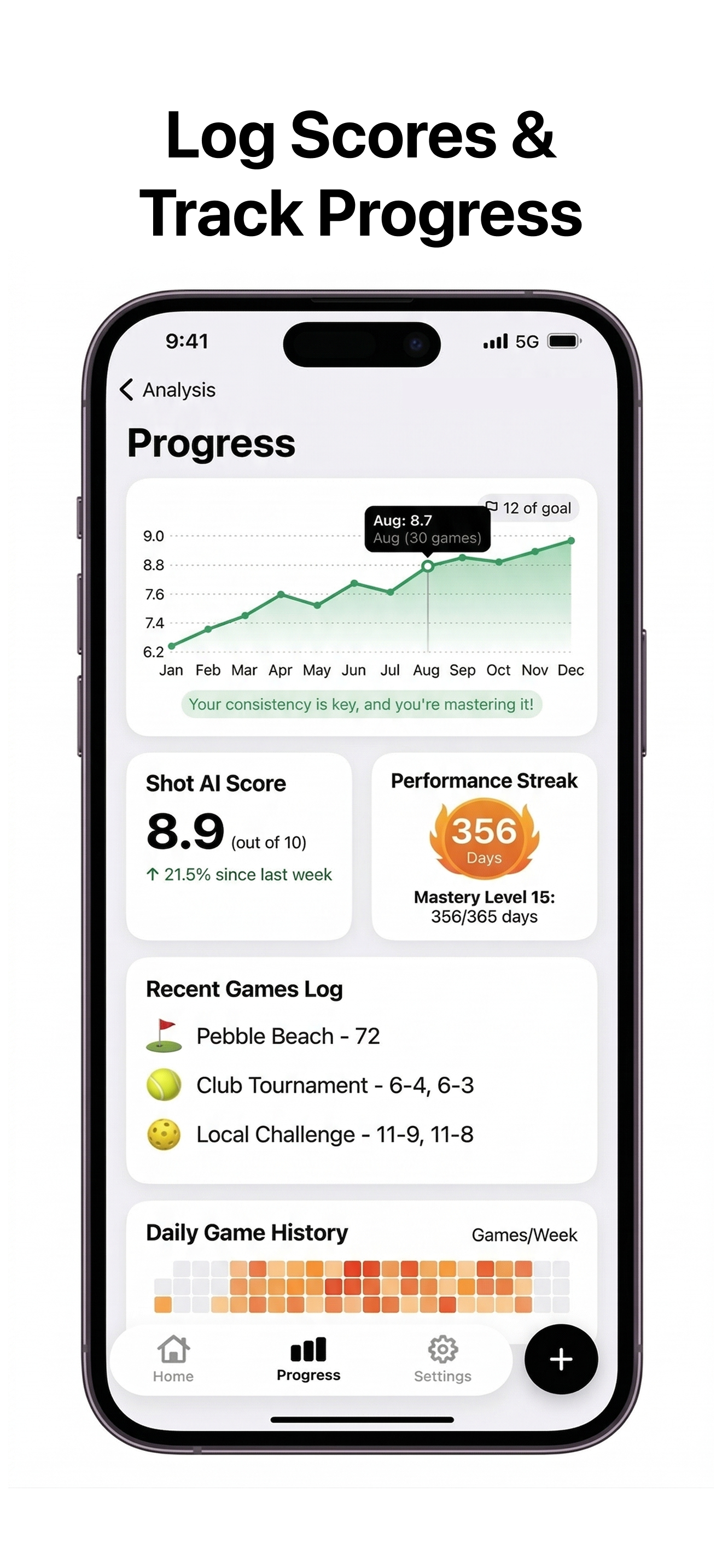
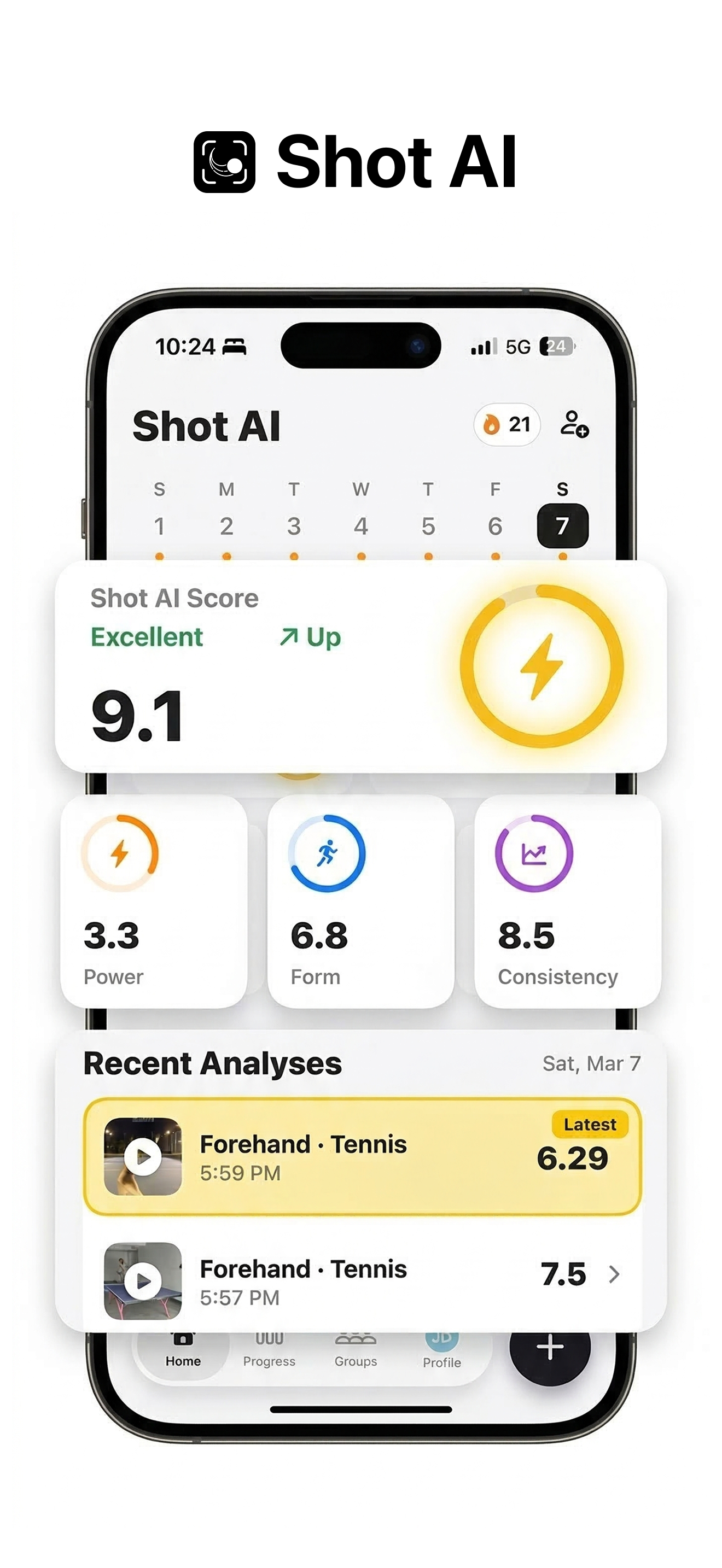
Use Shot AI to compare your practice swing and real swing side by side so you can fix the gap instead of guessing at it.