Published April 10, 2026
How to Start Playing Tennis Without a Coach
If you are meeting friends at the park once a week and mostly just trying to keep the ball in play, you are not doing tennis wrong. That is how many adults start. The mistake is usually trying to learn everything at once or copying advanced technique before you can rally comfortably.


Start with the smallest version of the game
Your first goal is not to hit winners. It is to build repeatable contact, basic movement, and enough control to enjoy the session. If four beginners are playing doubles at the park, simplify the game:
- Stand closer to the service line instead of starting deep behind the baseline
- Use slower rally balls if possible
- Count any rally longer than three hits as a win
- Play mini-tennis first before backing up to full court
Learn these three things first
Forget advanced tactics for now. Most beginners make faster progress by focusing on only three basics:
- Ready position: knees soft, racket up, both hands on the racket between shots
- Contact point: try to meet the ball in front of your body instead of beside or behind you
- Short swing shape: smooth low-to-high swing instead of a big slap at the ball
The easiest weekly practice structure
If you only play once a week, use your first 30 to 40 minutes well:
- 5 minutes of mini-tennis from inside the service boxes
- 10 minutes of forehand rallying crosscourt
- 10 minutes of backhand rallying or cooperative hitting
- 5 minutes of volleys close to the net
- 5 to 10 minutes of easy serves focused on rhythm, not power
After that, play points for fun. Technique usually sticks better when you spend a little time drilling and then immediately use it in a real game.
How to learn without paying for lessons right away
Books and YouTube can help, but they have a limit: most beginners cannot easily tell whether they are copying the movement correctly. A video of your own swing closes that gap much faster than watching another tutorial alone.
Record a few forehands, backhands, and serves each session. Then compare what you feel with what actually happened. This matters because beginner players often think they are making contact in front when the video shows the ball drifting too deep into the body.
How to avoid getting overwhelmed
Use one correction at a time. For example:
- This week: make contact farther in front
- Next week: recover to ready position sooner
- Next week: keep the serve smooth and balanced
If you chase five technical changes in one session, you usually leave with none of them.
Injury prevention matters early
Beginners often grip the racket too tightly and swing with the arm only. That can irritate the wrist, forearm, elbow, and shoulder. If you already have wrist or carpal tunnel concerns, keep your grip pressure moderate, stop if tingling increases, and avoid max-effort serves until your mechanics are cleaner.
Technique reduces stress. Better spacing, smoother contact, and better body rotation usually matter more than hitting harder.
Best free learning stack for a new player
- One beginner-focused YouTube channel for stroke demos
- One simple checklist for each stroke instead of ten conflicting tips
- Your own phone video after each practice
- A repeatable weekly practice plan
Where Shot AI fits
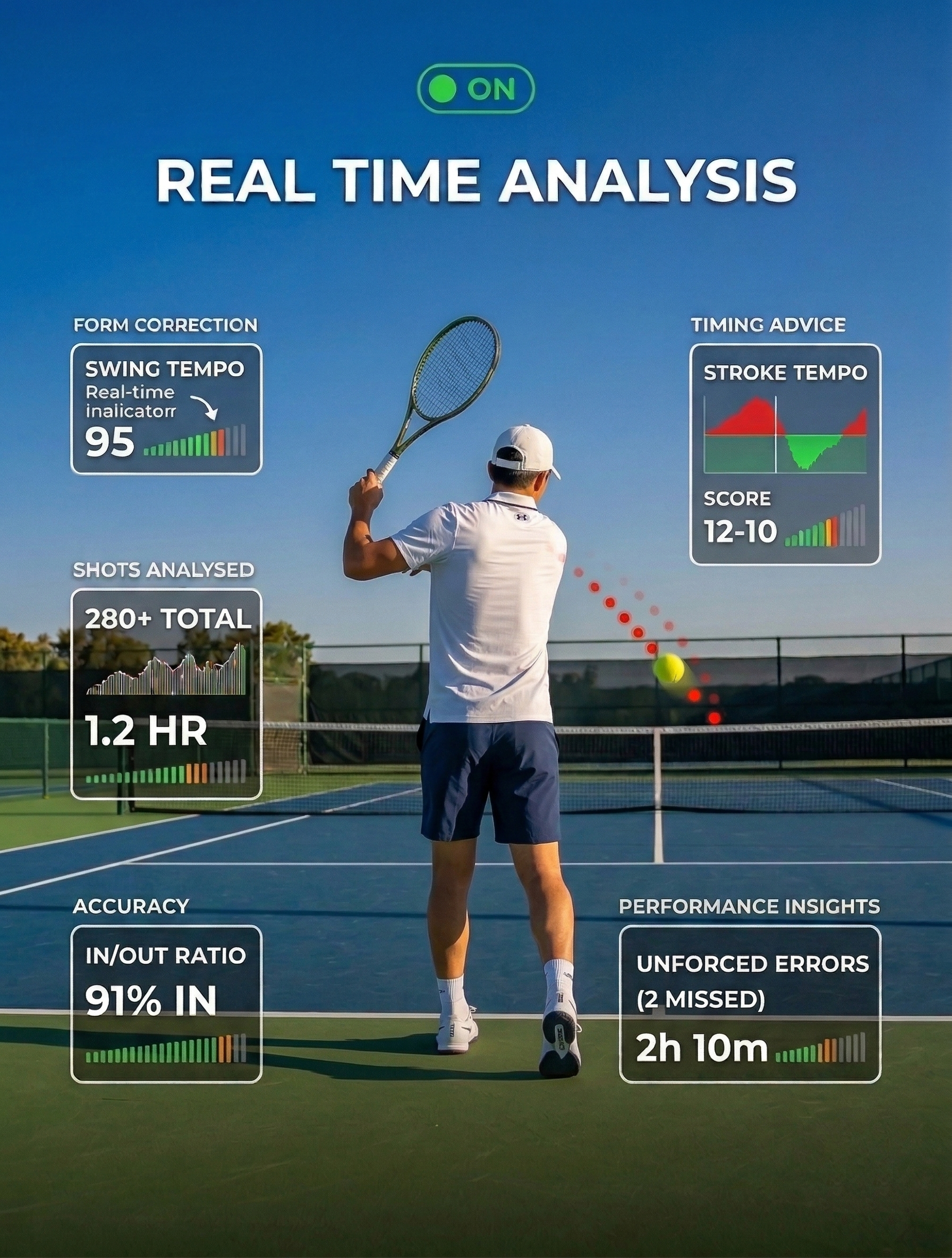
Once you have a few sessions behind you, the biggest bottleneck is usually feedback. Shot AI helps close that gap by letting you review tennis swings, see visual movement patterns, and get AI-driven coaching cues from your own video instead of generic advice meant for someone else.
That makes it useful for beginners who are not ready to pay for lessons every week but still want more than guesswork.
Use your own footage
From first park sessions to real feedback
If you are learning without a coach, these screens show the parts of the app that matter most: recording strokes, seeing breakdowns, getting live cues, and tracking progress over time.
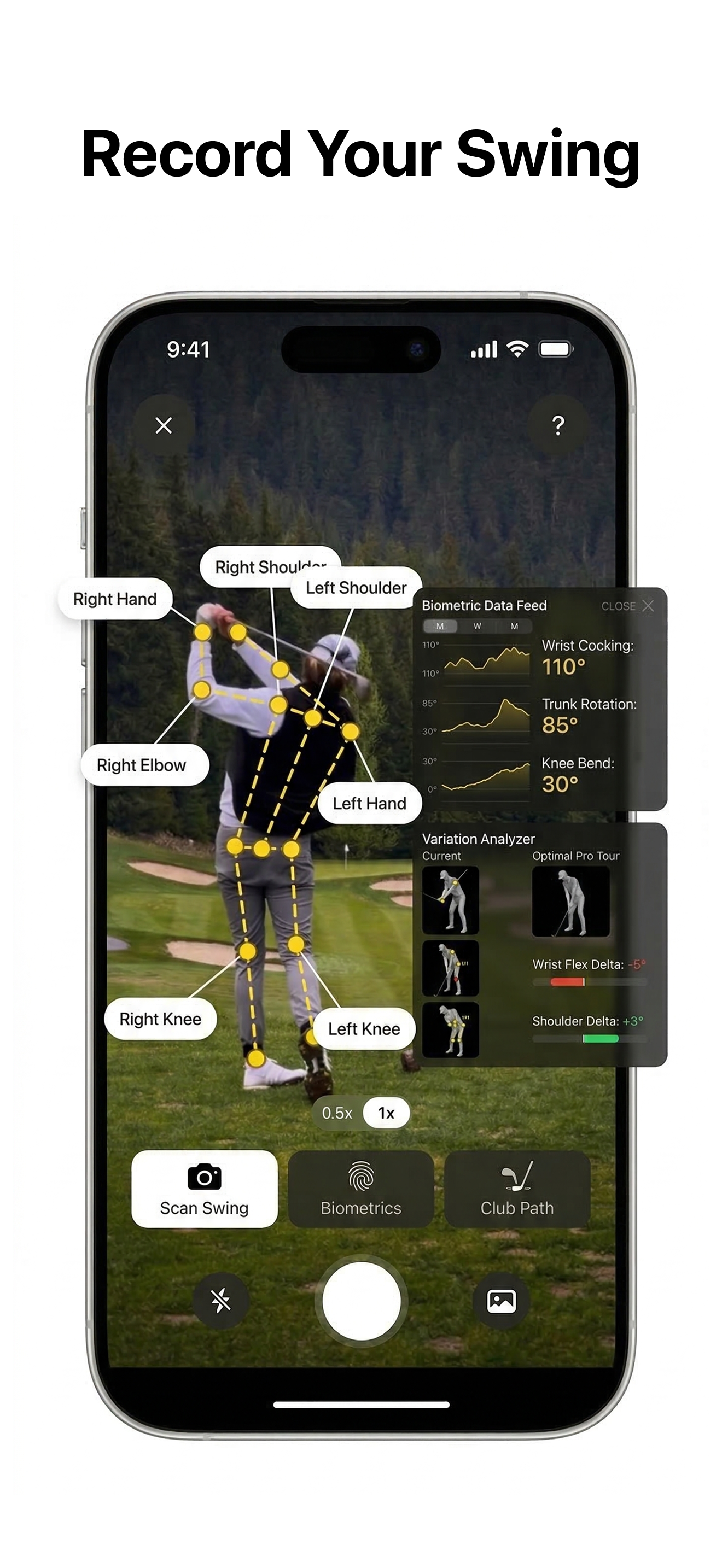
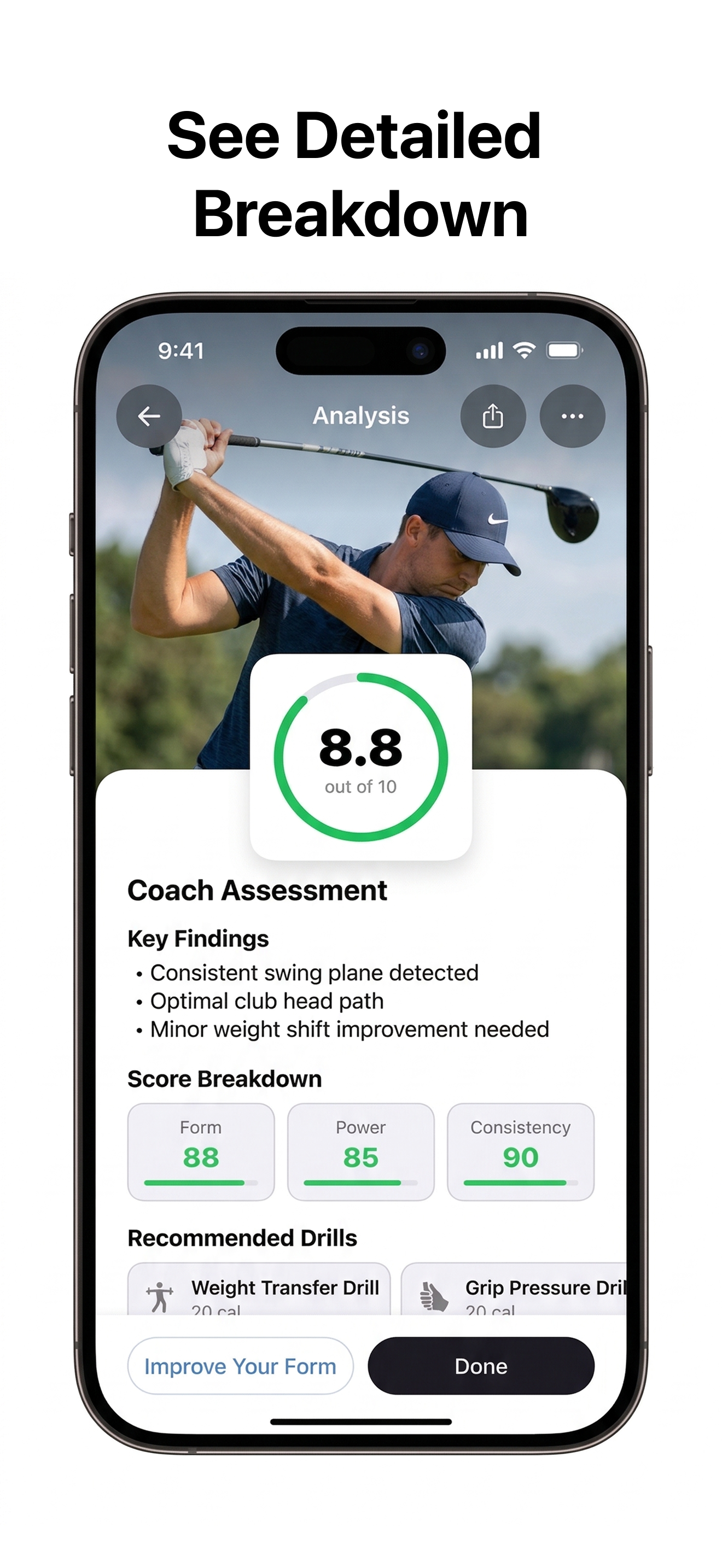
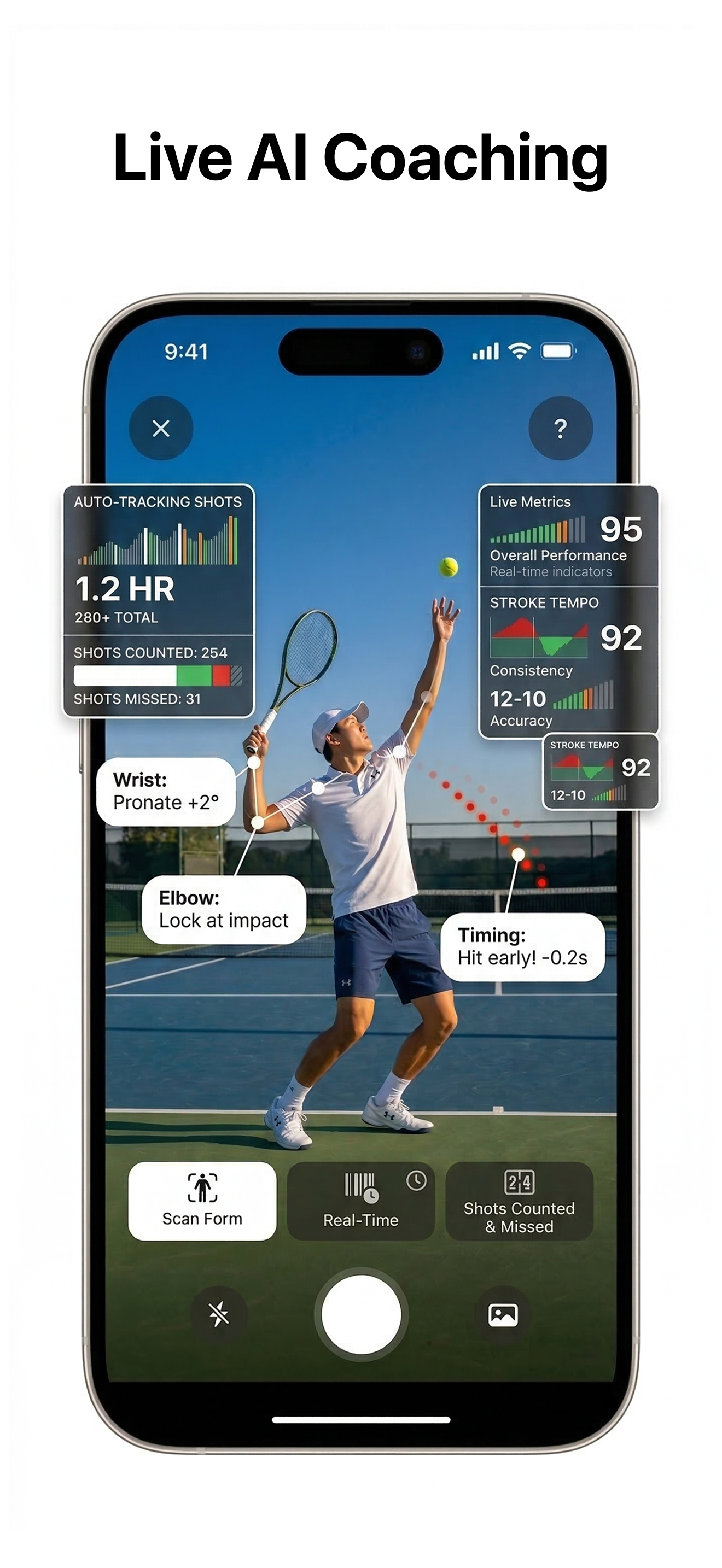
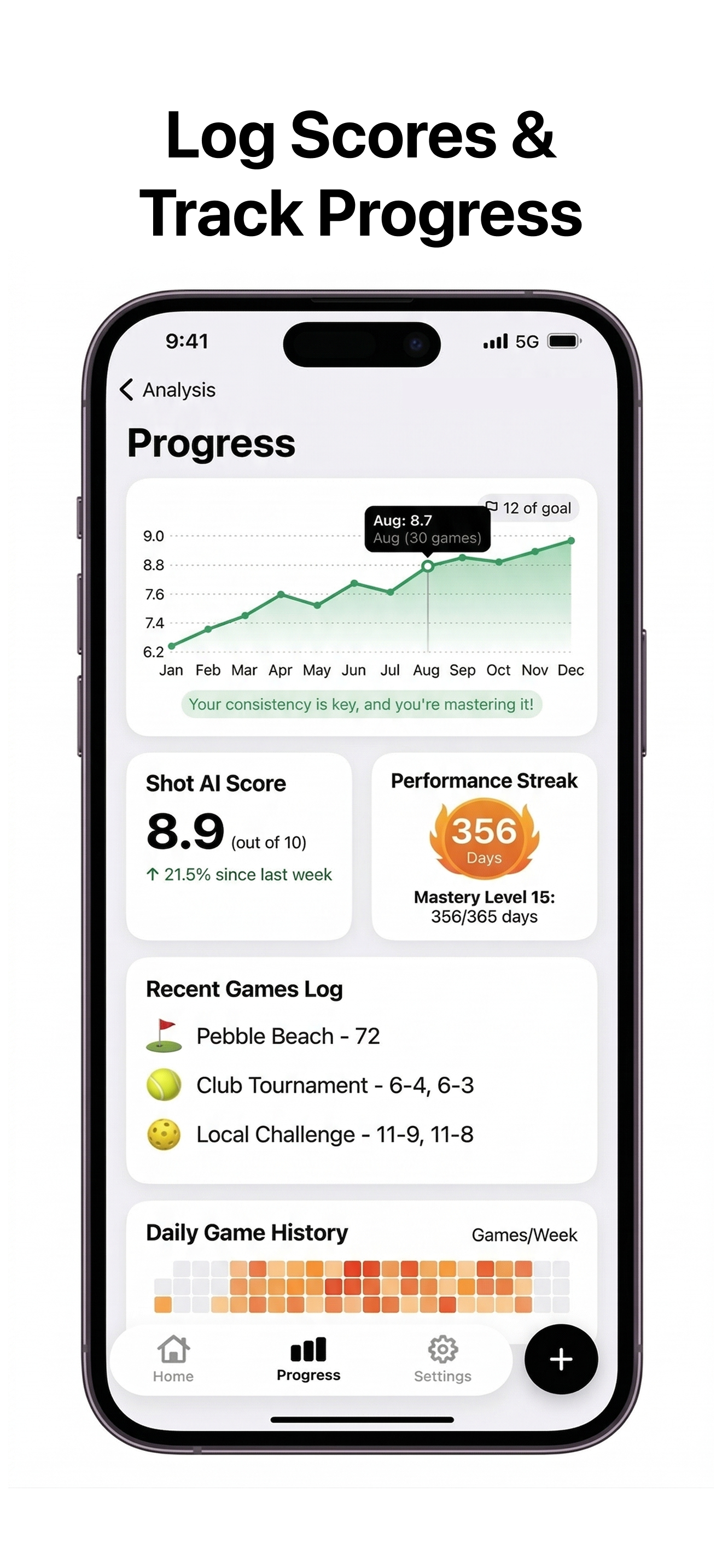
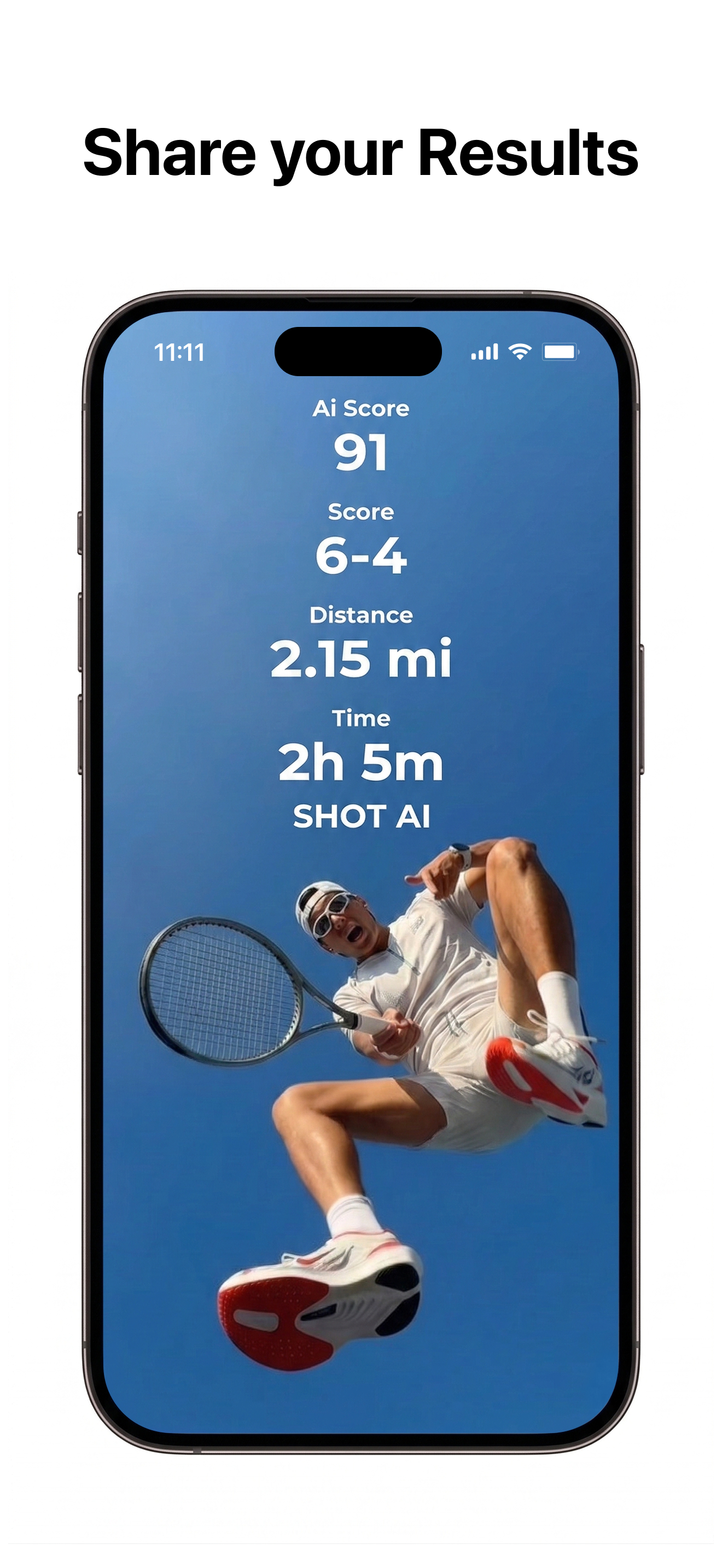
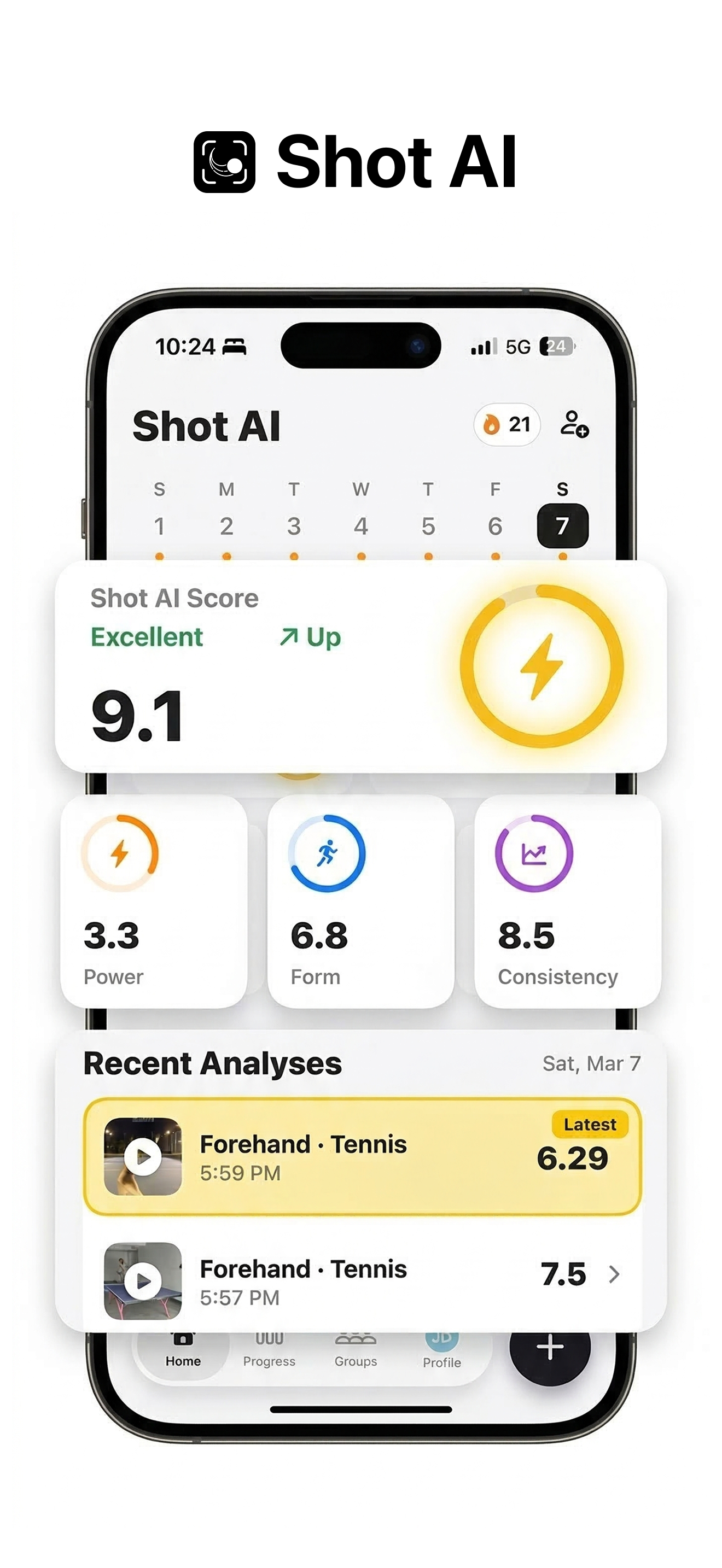
When you want more than generic tips, use Shot AI to review your own forehands, backhands, and serves.