Tennis improvement roadmap
How to Actually Get Better at Tennis Without Overloading Yourself
A lot of adult players stall out because they are trying to hold too many ideas at once. Grip, spacing, wrist, lag, racket drop, footwork, unit turn, timing, contact point. The list keeps growing. Improvement comes faster when you strip that back and train the things that show up on almost every ball.


What matters first for most players
- Spacing to the ball. If the distance is wrong, the rest of the stroke starts compensating.
- Preparation timing. You need to be set earlier than most beginners realize.
- Balance through contact. Better balance makes cleaner contact easier to repeat.
- A dependable rally ball. Not a highlight shot, just a ball you can trust under normal pressure.
- Serve and return basics. Every point starts there.
A simple improvement plan
- Choose one groundstroke priority for two to four weeks
- Film part of practice so you can check spacing and timing
- Use targets and rally goals instead of just hitting harder
- Spend some time on serve and return every week
- Keep one match-day focus instead of carrying a lesson notebook onto court
What usually wastes time
- Trying to copy pro technique details before your spacing and timing are stable
- Jumping from one YouTube tip to another every session
- Judging progress by one clean winner instead of the average quality of the rally ball
- Ignoring footwork because stroke mechanics feel more interesting
How to know you are moving forward
You are moving forward when your miss pattern gets tighter. Balls are still missed, but they miss smaller. The contact point shows up more often. Balance is less frantic. Your average rally ball is more usable. That is a better sign than whether one forehand felt amazing last Tuesday.
Where Shot AI fits
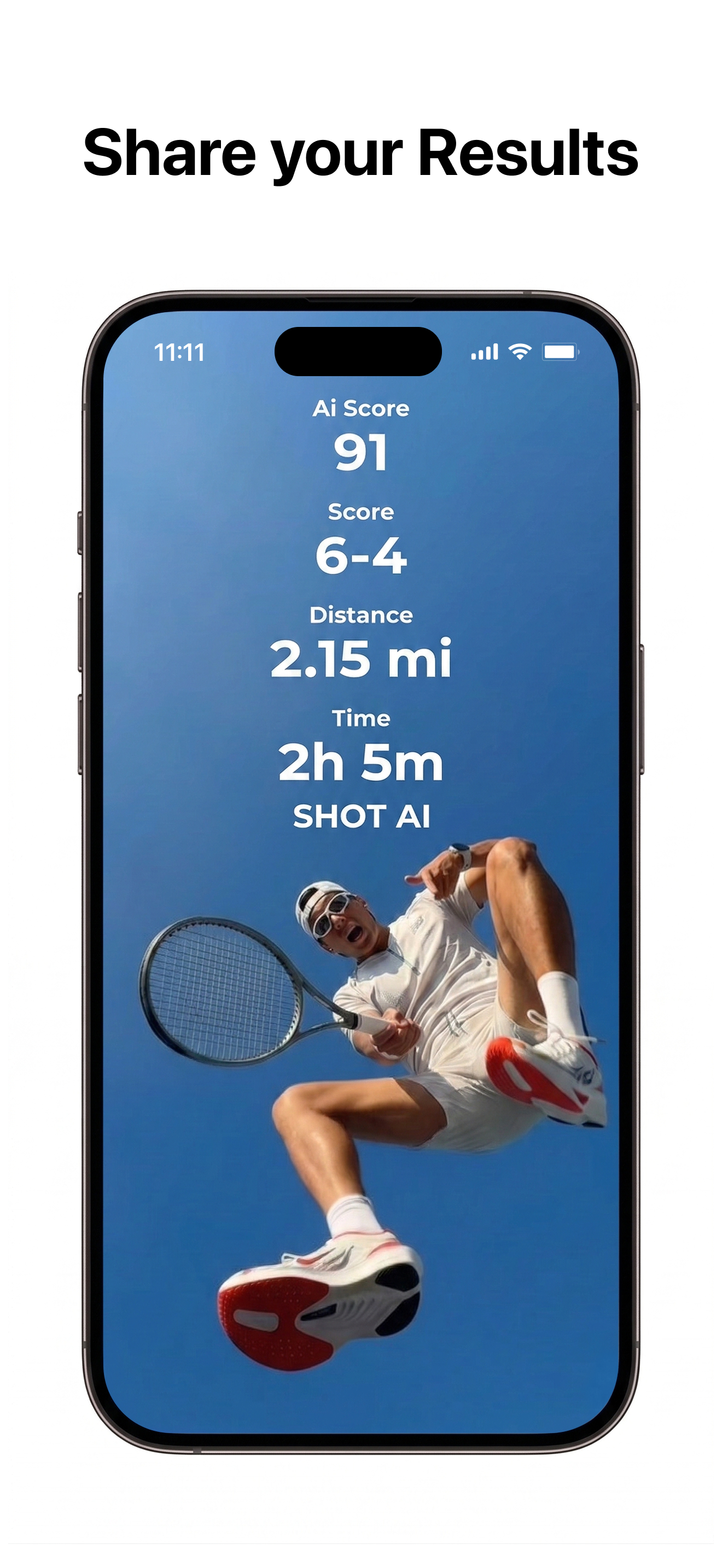
Shot AI helps you keep tennis practice honest. You can record the stroke, review what the movement actually looked like, and compare sessions over time. That matters when feel and video start disagreeing, which is a normal part of learning.
Related guides: Adult Tennis Practice Plan for Busy Players, 10 Ways to Improve Tennis Consistency, and How to Get Better at Tennis Without Playing Every Day.
Tennis feedback
See what changed, not just what it felt like
Record a few forehands or backhands, review the spacing and contact pattern, and go back to the next session with one cleaner target.
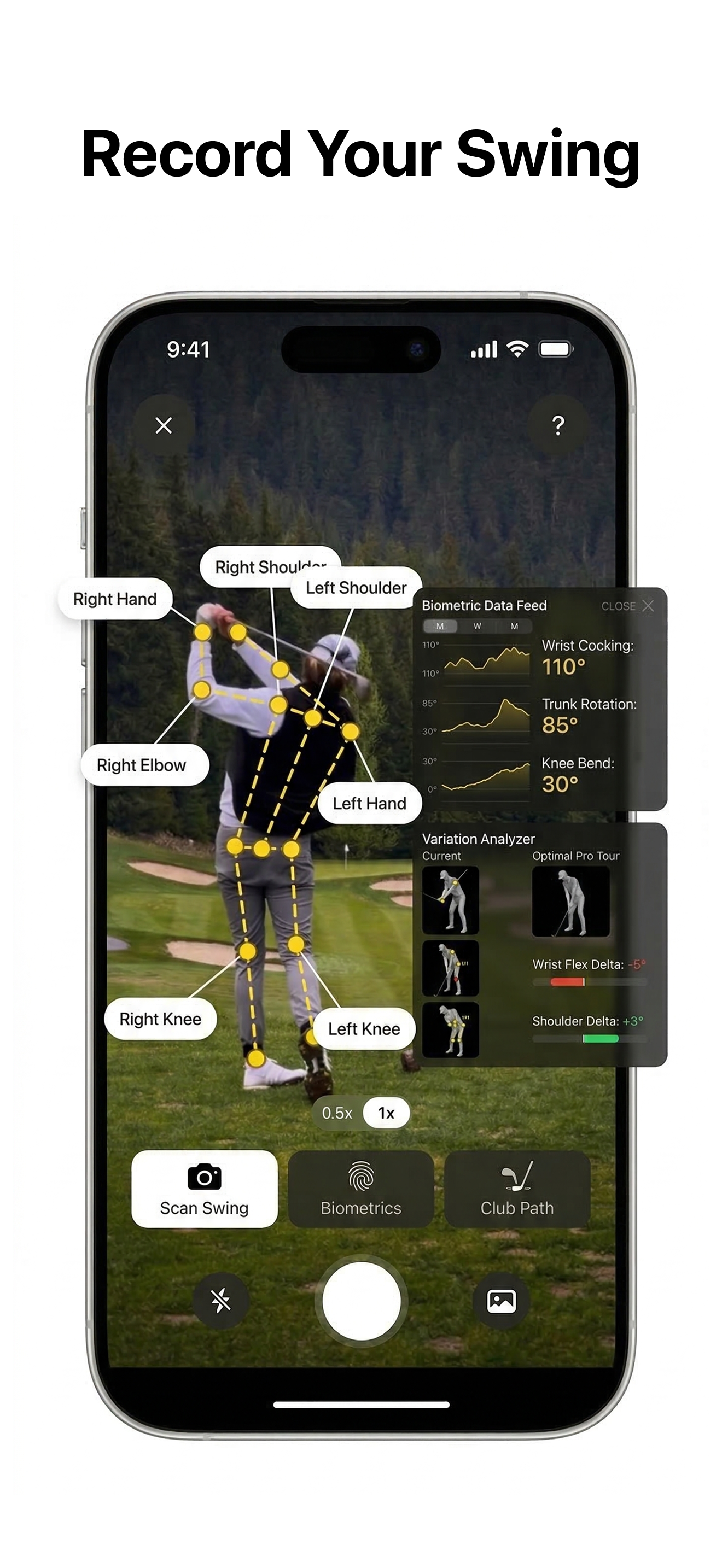
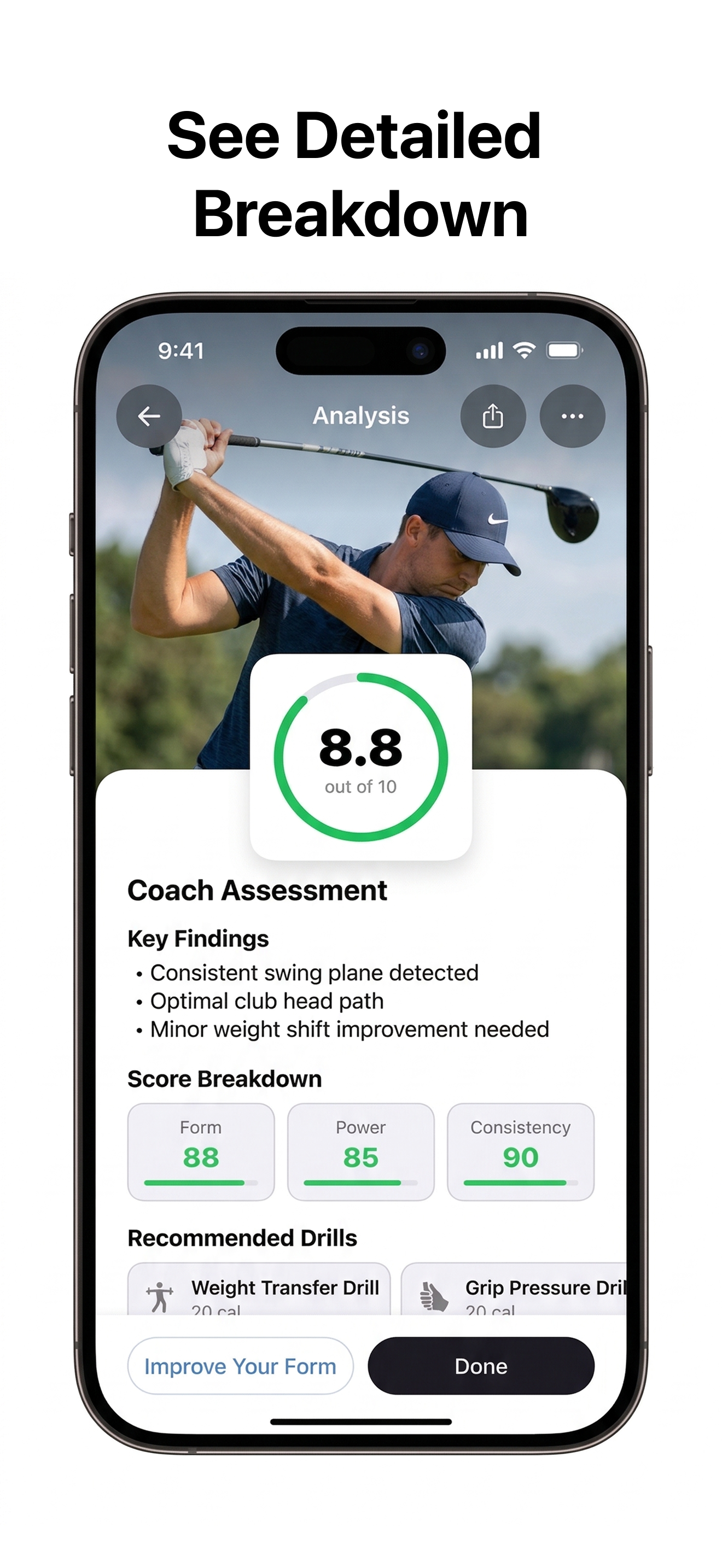
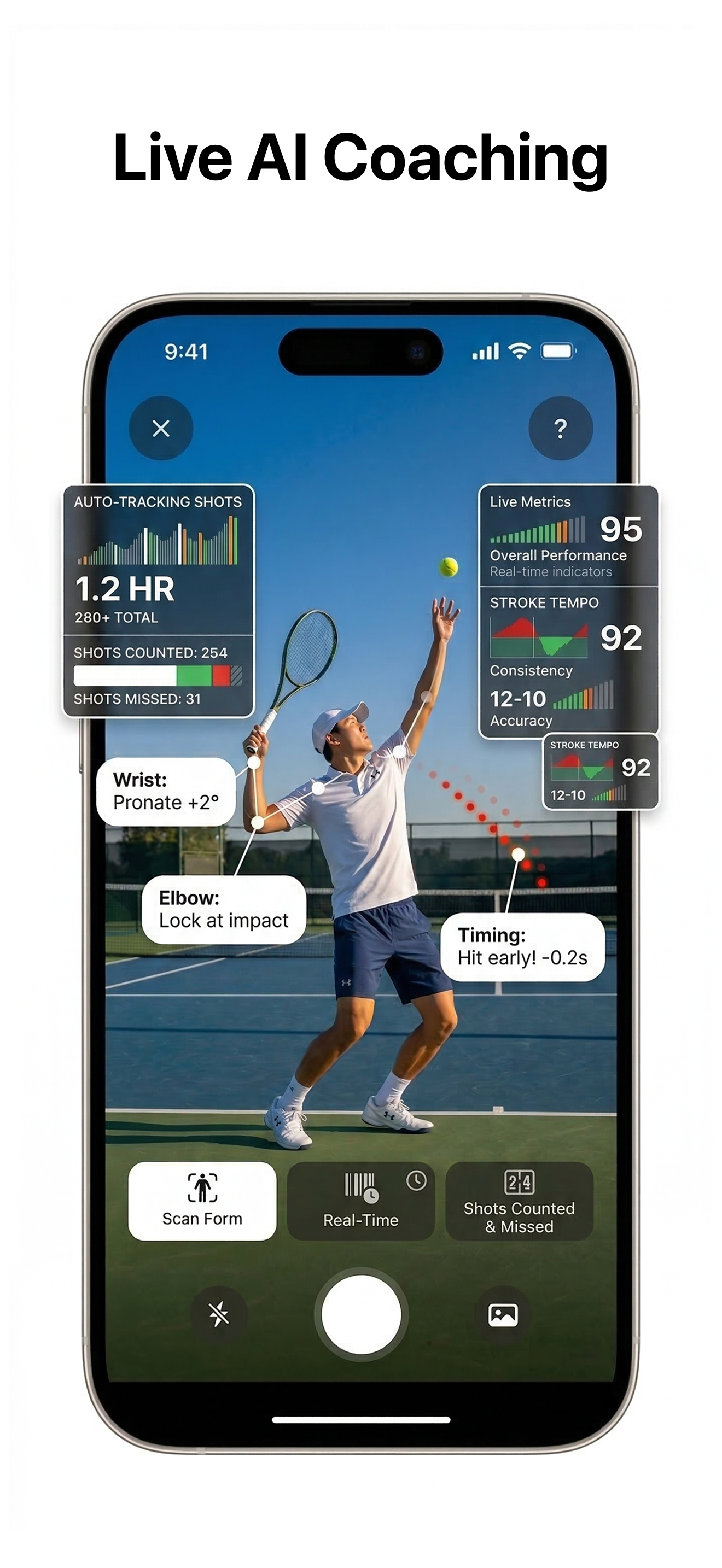
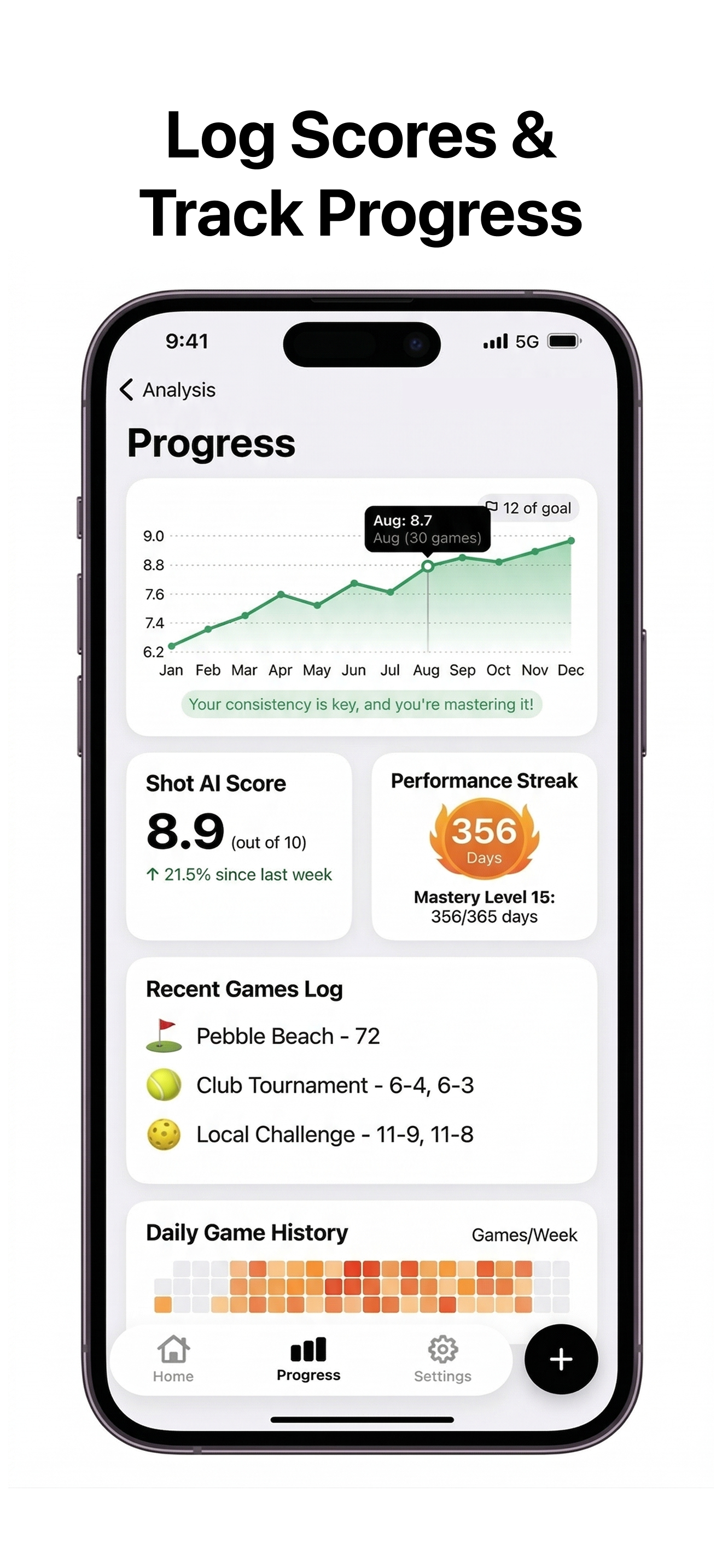
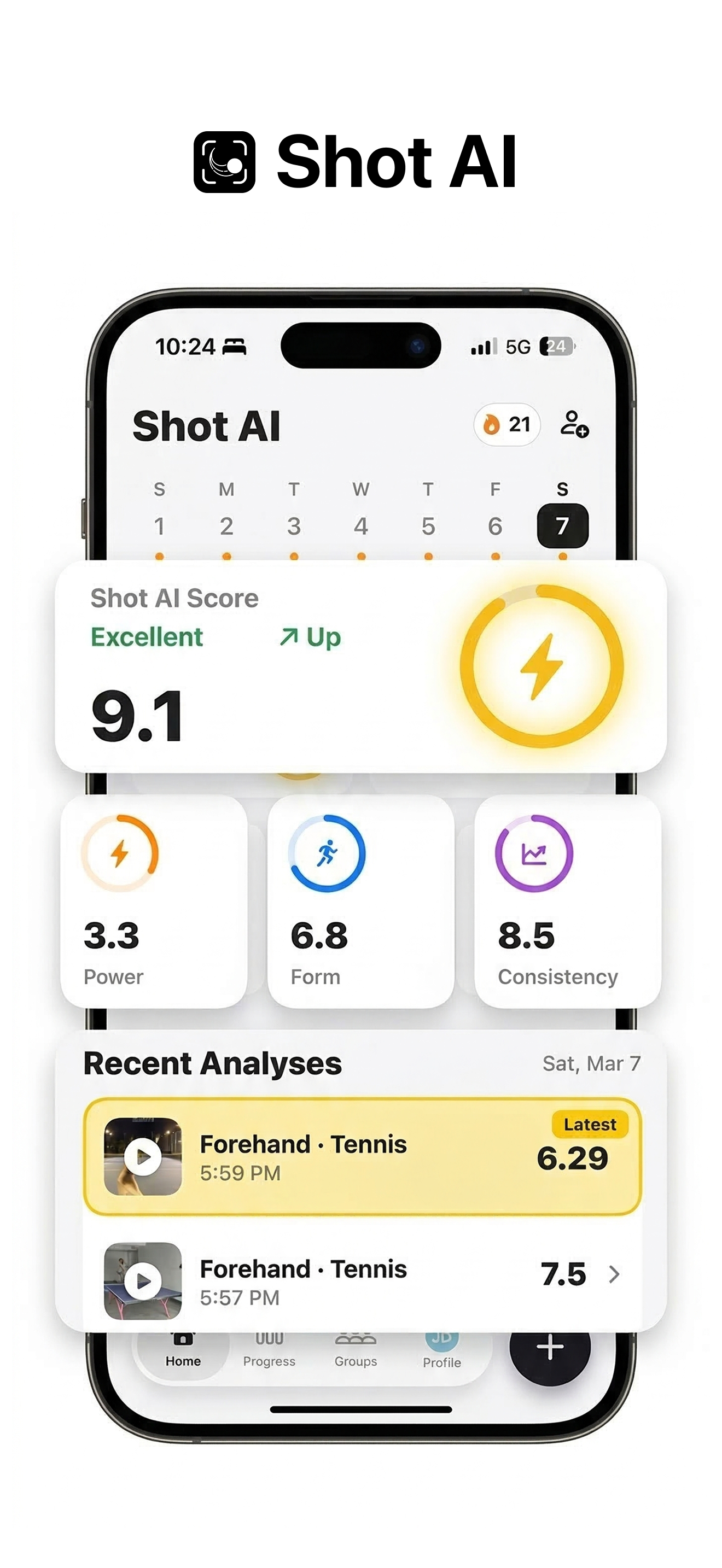
Use Shot AI to turn tennis practice into a clearer feedback loop instead of another session of mixed signals.